USA / Canada | Change Location...
www.strongtie.com


Additional Notes for Curtain-Wall Connectors

General Notes for Allowable Connector Load Tables

  1. Allowable loads are for use when utilizing the traditional Allowable Stress Design methodology. Contact Simpson Strong‑Tie for LRFD loads.
  2. Allowable loads are based on cold-formed steel members with a minimum yield strength, Fy, of 33 ksi and tensile strength, Fu, of 45 ksi for 43 mils (18 ga.) and thinner, and a minimum yield strength of 50 ksi and tensile strength of 65 ksi for 54 mils (16 ga.) and thicker.
  3. The tabulated values for 54 mil (16 ga.) are applicable for framing members thicker than 54 mil (16 ga.) with a minimum yield strength of 50 ksi and tensile strength of 65 ksi.
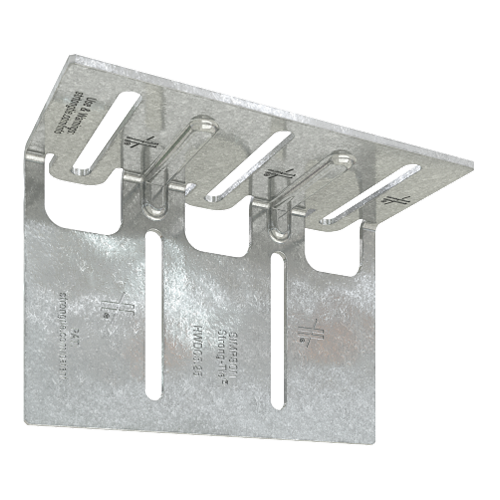
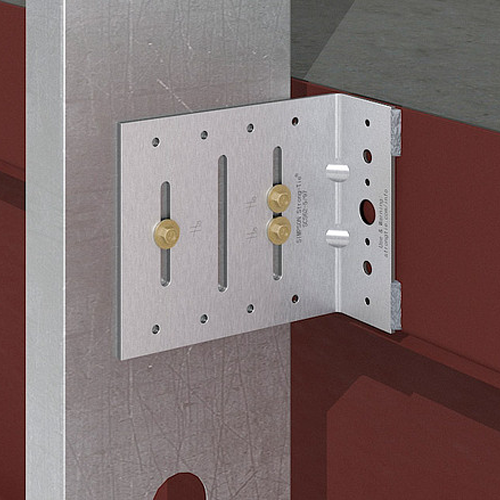
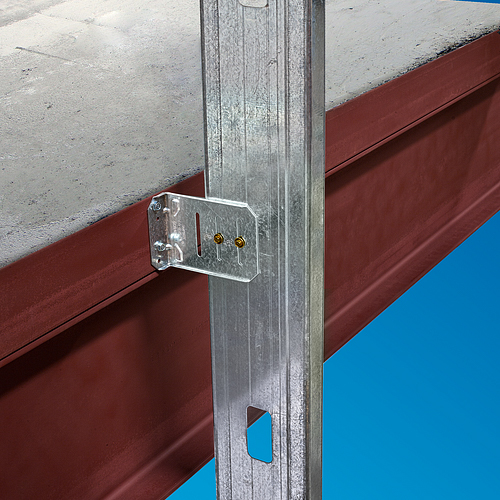
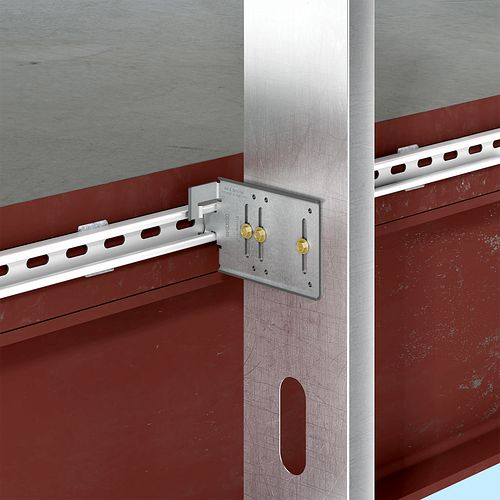
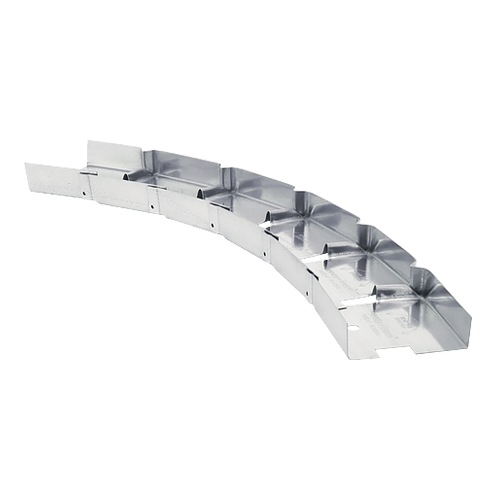
  4. Allowable loads for the SCB, SCW and SSB connectors are based on #14 shouldered screws (provided with connectors) installed in the center of the slots.
  5. Allowable loads may not be increased for wind or seismic load.
  6. Clips do not replace stud lateral or stability bracing. Design of bracing is the responsibility of the Designer.
  7. It is the responsibility of the Designer to verify the adequacy of the stud. Allowable loads are based on clips installed an adequate distance away from penetrations, notches, ends of studs and other conditions that may affect the clip performance.
  8. Industry studies show that hardened fasteners can experience performance problems in wet or corrosive environments. Accordingly, use these products in dry and non-corrosive environments only.

General Notes for Allowable Anchorage Load Tables

  1. Allowable loads are for use when utilizing the traditional Allowable Stress Design methodology. Contact Simpson Strong-Tie for LRFD loads.
  2. Allowable loads may not be increased for wind or seismic load.
  3. Allowable loads for #12-14 self-drilling screws are based on a minimum nominal shear strength, Pss, of 2485 lbs., and nominal tension strength, Pts, of 2595 lbs.
  4. Allowable loads for #12-14 self-drilling screws and PDPT powder-actuated fasteners are based on installation in minimum 3/16" thick structural steel with Fy = 36 ksi. It is the responsibility of the Designer to select the proper length fasteners based on the installation.
  5. Allowable loads for Simpson Strong-Tie® Titen® screws are based on installation in concrete with a minimum f'c = 2500 psi and a maximum f'c = 4000 psi. Reference the current Anchoring and Fastening Systems for Concrete and Masonry catalog and the Titen screw web pages on this website (www.strongtie.com) for more information about Titen screws.
  6. Allowable loads for welded connections require E70XX electrodes with a minimum throat size equal to the clip thickness. Welding shall be in compliance with AWS D1.3. Welding galvanized steel may produce harmful fumes; follow proper welding procedures and precautions.
  7. Allowable loads are for anchorage only. It is the responsibility of the Designer to verify the strength and stability of the structure for the loads imposed by the cold-formed steel framing connections.
  8. Industry studies show that hardened fasteners can experience performance problems in wet or corrosive environments. Accordingly, use these products in dry and non-corrosive environments only

top

Home | About Simpson Strong-Tie | Contact Simpson Strong-Tie | Browse Products | Product Use Information
Privacy Policy | User Agreement | Limited Warranty | Parent Company

Stay informed! Sign up for Simpson Strong-Tie newsletters

Copyright © 2012, Simpson Strong-Tie Company Inc. All Rights Reserved
Contact Webmaster with questions or comments.

Printed from
© 2012 Simpson Strong-Tie®