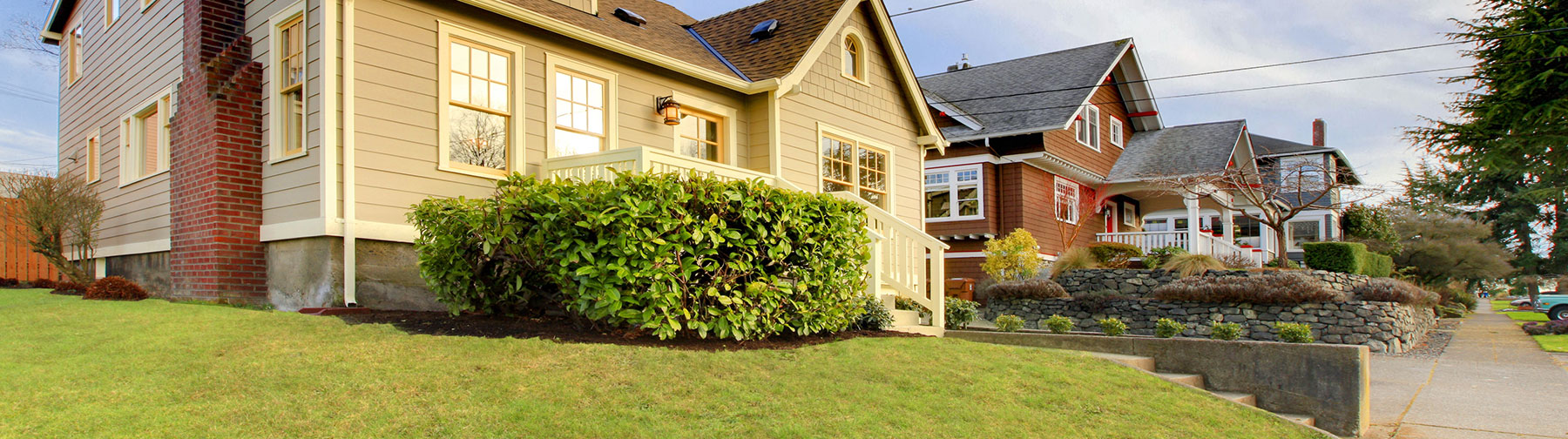
Seismic Retrofit for Raised Foundations
If you live in an older home, there are steps you can take to strengthen it. Our resources are here to help you evaluate your home’s resilience and safeguard against earthquakes and other natural disasters.
Earthquake Preparation and Safety
When it comes to resilience during a major earthquake, some homes perform better than others. This largely has to do with when a structure was built — more specifically due to the building standards at the time of its construction. Homes built before 1985, for example, and particularly those built on raised foundations, can be especially susceptible to earthquake damage.
Fortunately, advances in structural engineering, lessons learned from past earthquakes and scientific research have paved the way for construction techniques that better equip homes to withstand a seismic event. And local and regional building codes now require all new houses in seismically vulnerable regions to meet higher construction and safety standards.
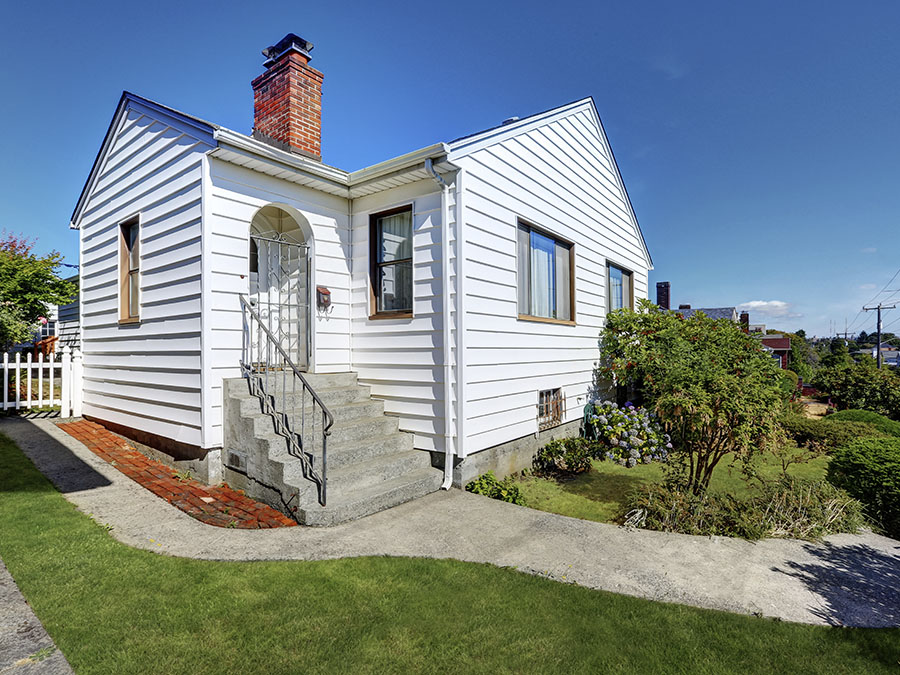
New Webinar: Earthquake Retrofit Solutions and Resources
| Missed our recent webinar on seismic retrofitting strategies? Watch the recording to explore strategies and solutions designed to enhance the earthquake resistance of existing structures. This session provides practical solutions and resources for both homeowners and contractors looking to improve building safety in seismic zones. |
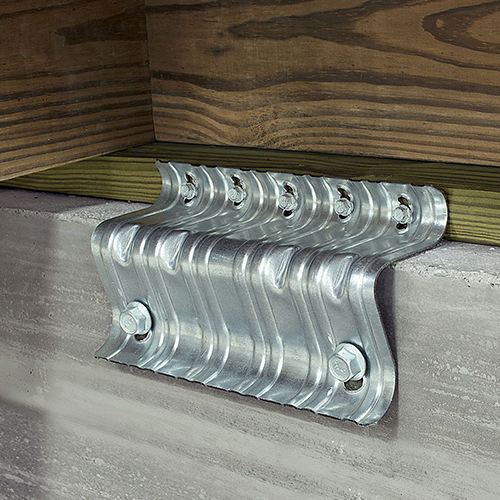
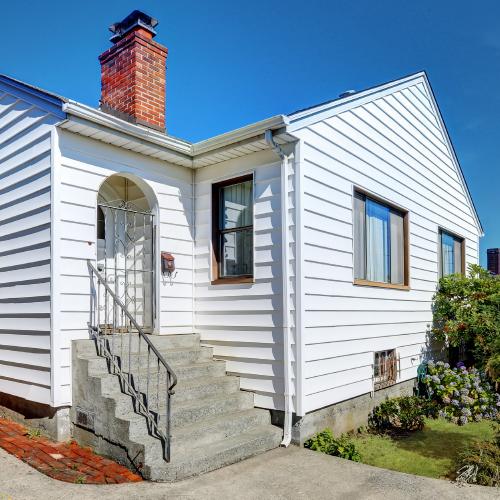
Watch Our Videos on Earthquake-Resistant Homes
Watch Our Videos on Earthquake-Resistant Homes

Government Retrofit Funding and Resources
Explore the various government funding retrofit programs in your state. Learn about the application process and resources available to you.